Day 1: The LORD
That is saying something about the personal name of God. It’s not just another word—or just any name. It is a revelation of the divine and holy character of who God is.
Day 1: The LORD
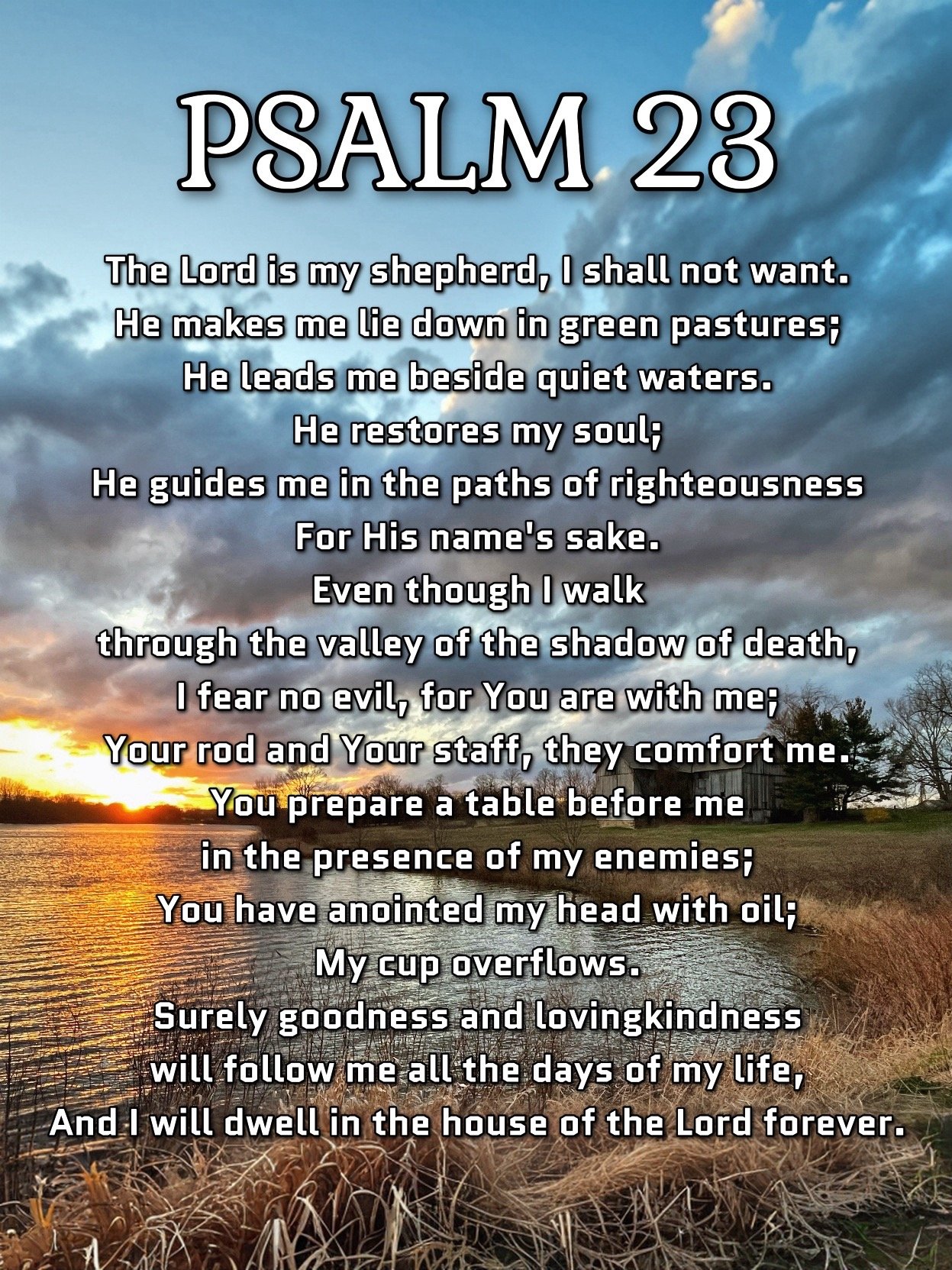
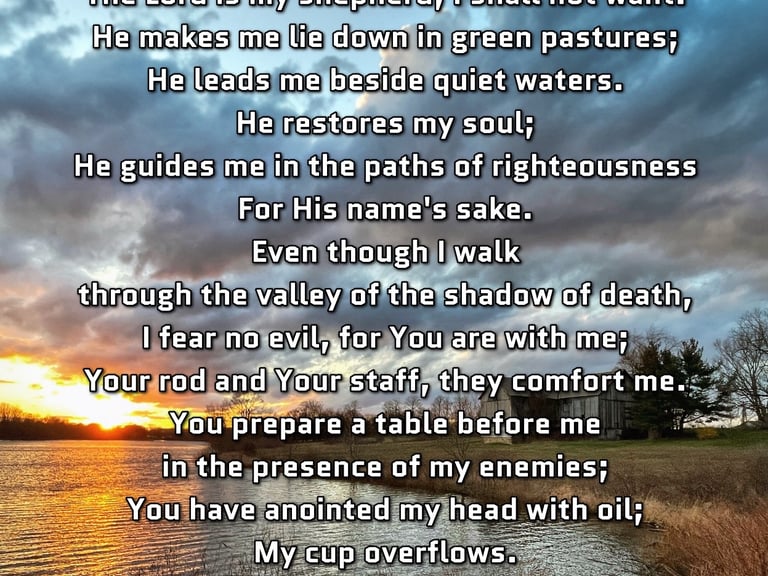
Psalm 23:1 — “The LORD is my shepherd…”
When David begins Psalm 23, he does something we should all take note of. Before he mentions green pastures, still waters, comfort or even the Shepherd Himself, he starts with a name:
“The LORD.”
In your Bible, LORD is written in all capital letters because it translates God’s covenant name, YHWH. This is not merely a random series of letters. It is the holy name of God. It’s not a title like “God” or “Lord.” It’s God’s personal name—the name He revealed to Moses at the burning bush.
But it doesn’t mean Lord. So, why is that what our Bibles say? To answer that question, let’s take a look at two verses from the book of Exodus.
When Moses asked God who he should say had sent him, God replied, in Exodus 3:14, “ I AM WHO I AM”.
Later, when God revealed His Ten Commandments to Moses, He said this:
Exodus 20:7
“You shall not take the name of the LORD your God in vain, for the LORD will not leave him unpunished who takes His name in vain.”
That is saying something about the personal name of God. It’s not just another word—or just any name. It is a revelation of the divine and holy character of who God is.
His holy name speaks of God’s eternal existence. He has no beginning or end. He depends on no one. His name is exalted, full of grace and glory, high and lifted up. He is utterly pure and holy and His ways are not our ways—nor are our ways His ways.
He is not like us.
When Moses encountered God, he was commanded to remove his shoes while in His presence as a way of recognizing His holiness.
What all this means is that God takes His name seriously. So much so, in fact, that the people of God lived in fear of uttering it in an unworthy manner and bringing condemnation upon themselves.
So, here we are in Psalm 23 where the very first word is that holy name of God. So, when we are faced with the fact that we are unworthy creatures who are commanded to humble ourselves in His presence, we defer to Him. Rather than speak His holy name, we just call Him “LORD”, instead.
That is the LORD who David is referring to. Think about that for now and tomorrow we will look at what that means for you and me.