We Gather Together
We gather together to ask the Lord’s blessing; He chastens and hastens His will to make known; The wicked oppressing now cease from distressing; Sing praises to His Name; He forgets not His own.
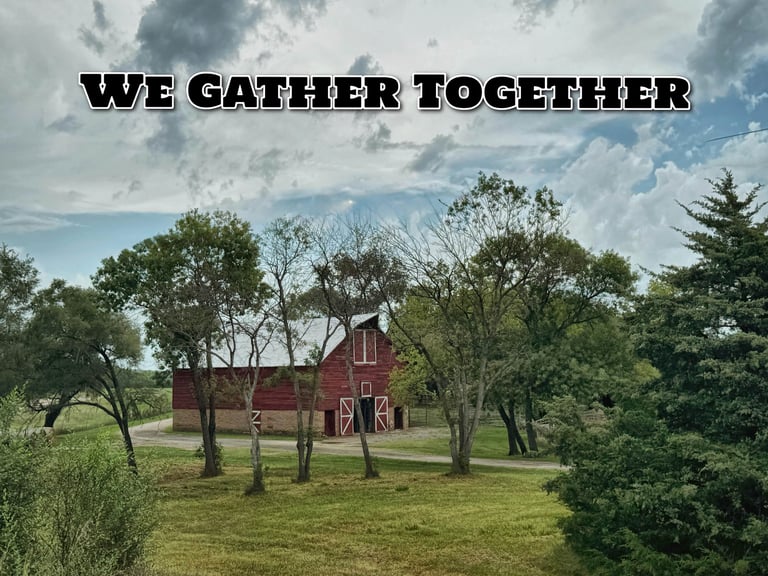
We Gather Together
We gather together to ask the Lord’s blessing;
He chastens and hastens His will to make known;
The wicked oppressing now cease from distressing;
Sing praises to His Name; He forgets not His own.
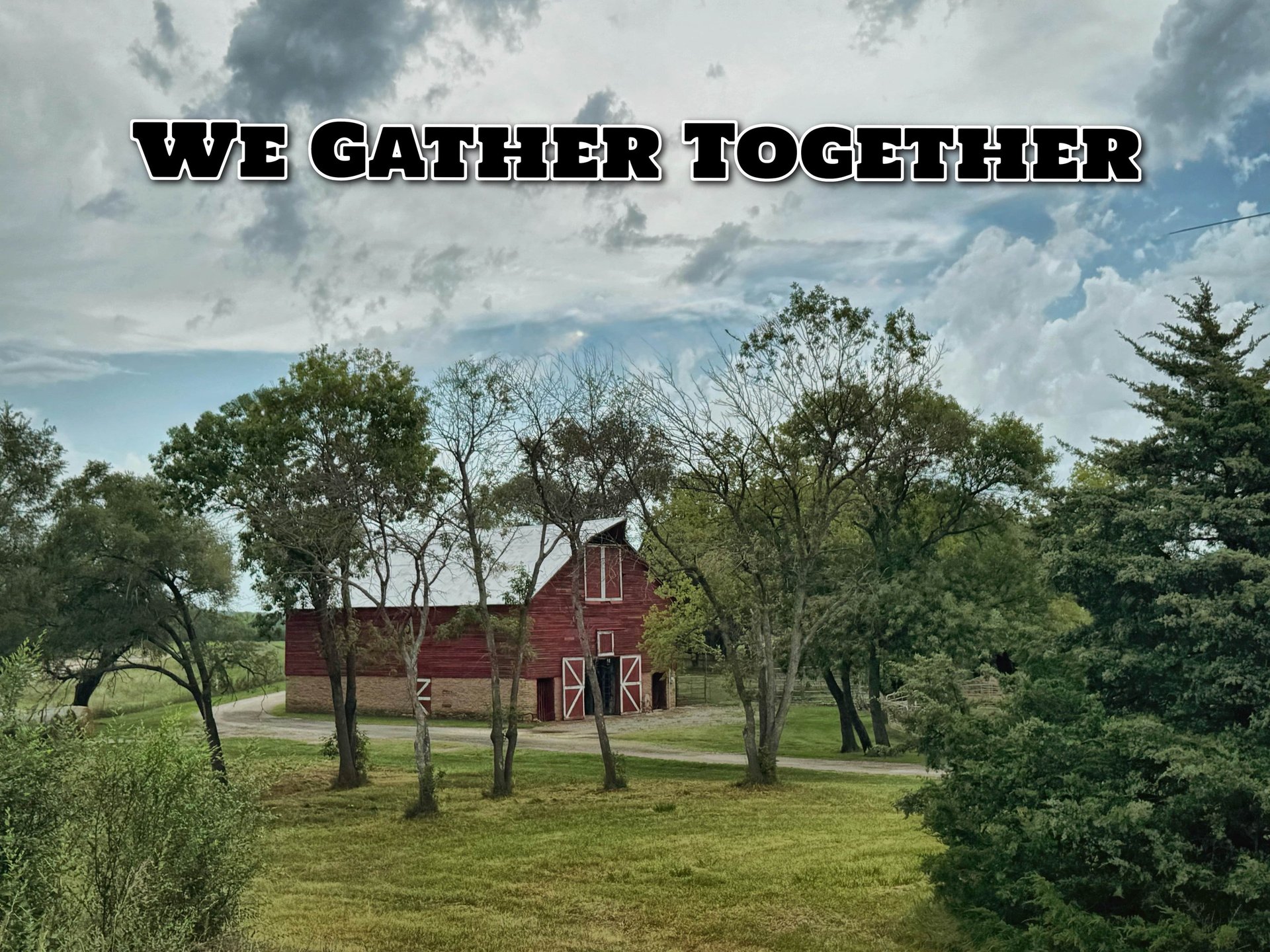
There’s a depth to We Gather Together that most people miss. It’s not a hymn written from a place of comfort or prosperity. It was born out of fear, persecution, and a long season when God’s people weren’t allowed to worship freely. In the late 1500s, Dutch believers lived under the harsh rule of King Philip II of Spain. Public worship was outlawed. Pastors were executed. Families met secretly in fields, barns, and candlelit rooms, whispering their hymns so soldiers wouldn’t hear.
Then came a turning point—after decades of oppression, the Lord brought deliverance. Victory came in 1597, and with it the reopening of churches, the return of exiled pastors, and the first public worship services many had seen in their lifetime. Someone in that moment—someone who had lived through the fear, the loss, and the quiet prayers—sat down and wrote this hymn. It was a simple declaration: God let us gather again. What they had once taken for granted was now a miracle.
That’s why the hymn speaks so confidently: “The wicked oppressing now cease from distressing; sing praises to His Name; He forgets not His own.” Those aren’t sentimental words. They are the testimony of people who survived because God held them fast. They knew what Psalm 46 declares: “The Lord of hosts is with us; the God of Jacob is our refuge” (NASB95). Worship wasn’t routine—it was rescue.
And now, centuries later, every time we sing this hymn—every Thanksgiving table, every church service, every moment when believers lift their voices together—we are echoing that same gratitude. God has preserved us. He has carried us through what we could not carry ourselves. He has not forgotten His own.
So when we gather this year—whether in a sanctuary or around a kitchen table—may this hymn remind us that the ability to worship together is itself a gift from God, one purchased through trials, restored by grace, and worth giving thanks for every time we sing.